At UNeTech, we’ve had the privilege of walking alongside some of the most brilliant MedTech inventors in Nebraska—from devices like MicroWash, which reimagines diagnostic sample collection, to Precision Syringe, a tool designed to reduce medication waste and improve safety. While each invention is different, they all share a common truth: a great idea isn’t enough. To make it to market—and to make a difference—every MedTech startup needs a thoughtfully built, well-rounded team.
As the communications strategist for UNeTech, I work with early-stage founders at the moment they move from “I have an invention” to “I want to build a business.” And more often than not, that first moment of momentum is immediately followed by overwhelm. “What kind of team do I even need?” is one of the first questions we hear.
So, here’s a snapshot—based on our portfolio and lived experience—of the key roles every MedTech startup needs, and how UNeTech helps fill those early-stage gaps.
1. The Legal & Regulatory Strategist
Let’s start with the least glamorous and most essential: regulatory affairs.
In MedTech, everything is subject to oversight—from device classification and risk management to FDA approval pathways. Startups need someone on their team who understands how to get through the maze of 510(k) submissions, clinical trials, and quality systems compliance. It’s not enough to “figure it out later.” Without a regulatory roadmap, promising products stall before they reach patients.
At UNeMed, scientists and attorneys work together to identify how to protect inventions resulting from research on campus. A technology transfer office, UNeMed does more than file patents. Foremost, they file the paperwork necessary to comply with the terms and conditions of grants with federal agencies. Next, they evaluate when and how to pursue patent protection. Does the invention need more data to obtain robust protection? What team of technology transfer professionals, outside lawyers, and university inventors will secure the patent the project needs.
Finally, UNeMed identifies commercial partners. Before anyone considers a startup, is there an existing company that might want to license the invention? Would they even need a patent or can the license copyrighted code or even a carefully protected secret? UNeMed has decades of industry contacts and industry recognized best practices to find existing companies interested in university inventions.
At UNeTech, we work with regulatory consultants who help our inventors from day one. We connect founders with regulatory experts who translate complex FDA language into actionable checklists, and we provide micro-grants to support early classification analysis. For example, with MicroWash, early regulatory analysis shaped the prototype and saved months of costly rework.
- The Product Development Lead
An idea is not a device until it’s been prototyped, tested, broken, redesigned, and tested again. This is where industrial designers and engineers become essential—people who can build, iterate, and align with user needs, all while thinking ahead to manufacturability and clinical use.
One of the most common misconceptions among university-affiliated inventors is that their prototype—the one made in a lab—is “almost market-ready.” Spoiler alert: It’s not. What you have is proof-of-concept. Now, you need someone who can design for people, production, and scale.
UNeTech helps bridge this gap by coordinating design sprints, matching founders with engineering partners, and hosting “design studio” workshops through the OVRP. For a project like Precision Syringe, which needed fine motor control and ergonomic precision, design and function were in constant dialogue. That only happens when a real product lead is part of the core team.
3. The Communications Strategist
This is the part I know best. And yes, it’s essential. And yes, it’s my title at UNeTech.
It doesn’t matter how brilliant your invention is if you can’t explain it to the people who matter. Funders. Partners. Patients. Clinicians. MedTech founders need someone who can translate complexity into clarity—who can tell the story of the problem, the people affected, and how this solution changes everything.
At UNeTech, I often work with our inventors to craft pitch decks, write grant narratives, and develop messaging strategies. But more than that, I help them define the why behind their work. It’s not just about having a sleek brand (although that helps). It’s about building trust and resonance in an industry built on risk, evidence, and precision.
When we worked with Breanna Hetland, PhD, associate professor in the UNMC College of Nursing and the nurse-researcher who developed The Family Room mobile app, a digital platform to promote patient and family involvement in care during acute hospitalization, the founder’s story became the emotional engine that powered investor interest.
Twelve years ago, Dr. Hetland, then a critical care nurse, sat at her father’s ICU bedside and realized something: Despite all her clinical training, she felt helpless as a patient’s family member.
“The system I had worked in for years suddenly felt foreign when I was on the family side of the hospital bed,” said Dr. Hetland. “That experience showed me that we’ve been missing an entire half of the healing equation. We focus intensely on the patient but leave families to just figure it out.”
We didn’t start with the specs. We started with the stakes. Family Room secured $728K in non-dilutive funding.
4. The Clinical Champion
Here’s one that sometimes gets overlooked: the practitioner on the team who brings real-world context.
This could be a nurse, a physician, a lab tech—someone who has seen the problem up close. A clinical champion can validate assumptions, guide user experience design, and advocate for the device in future trials or hospital adoption conversations.
UNeTech actively recruits clinical partners through our university relationships. We help startup teams host user discovery interviews with actual practitioners. In our work with the PortCAS, a portable laparoscopic surgical simulation platform, surgical training system, surgical residents gave vital feedback that reshaped everything from the headset design to scenario planning. Without that clinical voice, you’re just guessing.
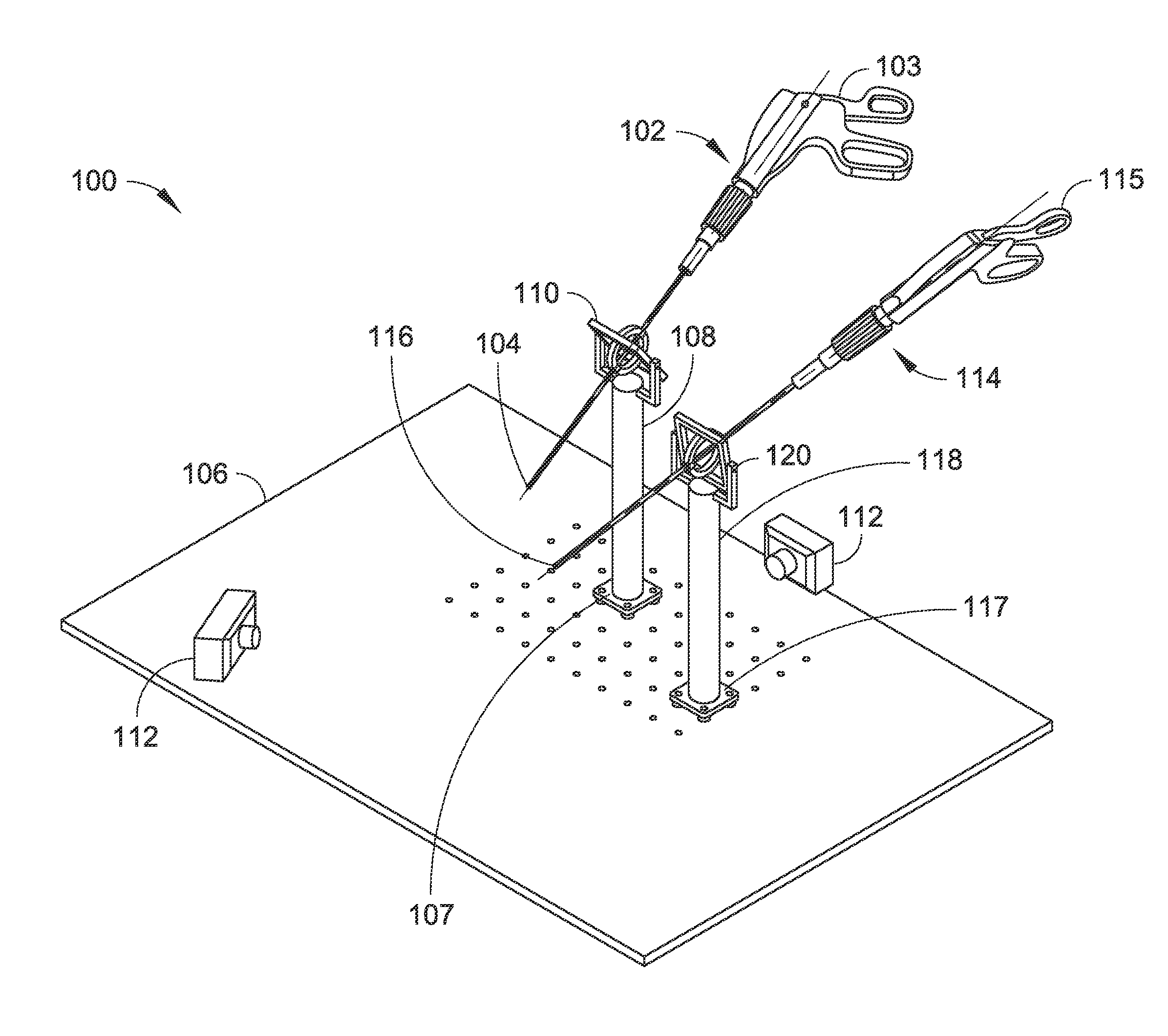
Portable Camera Aided Simulator (PortCAS) for Minimally Invasive Surgical Training.
5. The Founder
Finally, every MedTech startup needs someone to think about the business model. Not just how to fundraise, but how to survive reimbursement codes, procurement cycles, and the long valley of death before market launch.
This is where UNeTech’s entrepreneurship education comes in. Through NSF I-Corps programming, Opportunity Corps, and ecosystem partnerships, we help inventors think like founders. We don’t expect the PI to become a CEO overnight. But we do help them understand what a viable business looks like—and what kind of executive they’ll need to hire.
Building Together
MedTech is hard. It’s highly regulated, deeply personal, and built on trust. But that’s what makes it powerful. And it’s why building the right team—early—is the difference between a good idea and a great company.
At UNeTech, we don’t just incubate startups. We assemble teams. We translate big dreams into operational steps. And we help founders stop asking, “What do I need?” and start building with people who say, “We’ve got this.”